South Indian sweets can feel a little intimidating if you've grown up mostly around North Indian mithai - the names are unfamiliar, the textures are different, and it's not always obvious where to start.
If you're curious but not sure what to try first, here's a simple breakdown to get you oriented.
Start Here If You Like Rich, Chewy Sweets: Tirunelveli Halwa
Made from wheat, ghee, sugar, and a hint of camphor, this halwa is glossy, chewy, and holds its shape when cut - nothing like the softer, spoonable halwas you might be used to.
It's arguably the most iconic Tamil Nadu sweet and a great entry point if you enjoy anything ghee-forward and rich.
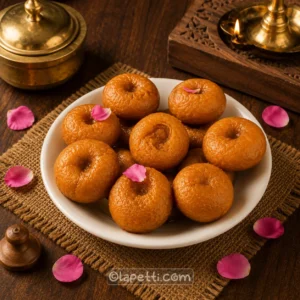
If You Like Milk-Based Sweets: Palkova
Slow-cooked, reduced milk sweetened with sugar, palkova has a caramel-brown colour and a texture somewhere between fudge and khoya.
It's less sweet than it looks and pairs beautifully with a cup of filter coffee.
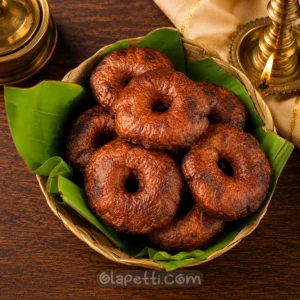
If You Want Something Crispy and Fried: Athirasam
A jaggery and rice-flour based sweet with a fried, slightly crisp exterior and a dense, chewy centre.
The flavour is earthier than most sugar-based sweets, thanks to the jaggery, making it a good pick if you don't like things overly sweet.
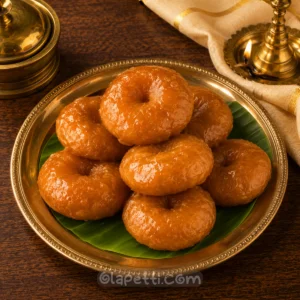
If You Want Indulgent and Syrupy: Badusha
Flaky, syrup-soaked, and instantly familiar even if you've never had it before - Badusha has a texture closer to a doughnut and a sweetness level that leans generous.
A safe, crowd-pleasing choice for first-timers.
If You Like Nutty and Dense: Cashewnut Halwa
A richer, nuttier cousin of the traditional wheat halwa, made primarily from ground cashews, sugar, and ghee.
Dense, slightly grainy, and popular during festivals and celebrations.
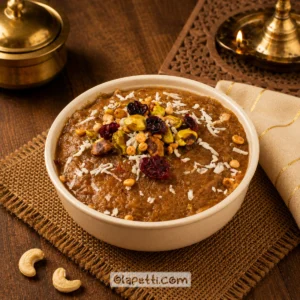
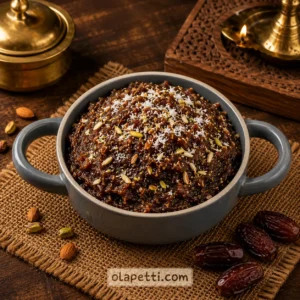
If You Want Something Lighter and Fruit-Based: Dates Halwa
A good option if you're looking for something naturally sweet without an overload of refined sugar.
Dates halwa has a soft, fudge-like texture and a mellow sweetness that works well as an everyday treat rather than an occasional indulgence.
A Simple Way to Explore
If you genuinely don't know where to start, the easiest approach is a small mixed combo pack - it lets you sample a few different textures and flavour profiles in one go, without committing to a full box of something you're not sure you'll like.
One Thing to Keep in Mind
Authentic South Indian sweets are usually made without heavy preservatives, which means they're best enjoyed within a reasonable time frame rather than stored for months.
That's actually a good sign - it usually means you're getting something closer to the real, traditional recipe rather than a commercially adjusted version.
Wherever you decide to start, South Indian sweets reward a little patience and an open mind - the flavours are less about sugar overload and more about ghee, jaggery, and slow, careful preparation.
Discover Your New Favourite Sweet
Explore Olapetti's collection of traditional South Indian sweets and find the flavours, textures and regional favourites that are right for you.
Explore Our Traditional Sweets →